Understanding Wrist Pain Relief: Reasons and Proven Solutions
Boost Your Comfort With Top Quality Wrist Braces for Efficient Wrist Pain Relief
Wrist discomfort can significantly influence everyday activities and total top quality of life. Understanding the sources of this pain is important for reliable management. Quality wrist supports offer support and security, helping in recovery from different problems. With several options available, selecting the right support is necessary. Nonetheless, understanding exactly how to make use of these devices properly may be just as important. Checking out these facets can offer beneficial understandings right into enhancing comfort and advertising healing.
Recognizing Wrist Discomfort and Its Causes
While numerous individuals might disregard wrist discomfort as a minor inconvenience, understanding its underlying causes is vital for efficient treatment. Wrist discomfort can arise from different aspects, including repetitive strain disorder, joint inflammation, tendinitis, and carpal tunnel syndrome. Repeated activities, specifically in professions or activities that need comprehensive wrist use, often lead to inflammation and pain (Wrist Pain Relief). Arthritis, a degenerative joint problem, can better exacerbate pain and limitation wheelchair. Tendinitis, identified by inflammation of the ligaments, can result from overuse or inappropriate technique during physical activities
Additionally, repetitive strain injury takes place when the average nerve becomes compressed, leading to prickling, weak point, and discomfort in the wrist and hand. Determining these causes is crucial for creating a targeted technique to treatment. Early treatment can protect against further damage and enhance high quality of life, highlighting the value of recognizing wrist pain as a considerable health and wellness concern instead of a plain annoyance.
The Value of Supportive Wrist Braces
Encouraging wrist braces play an essential function in minimizing pain and promoting recovery for people dealing with various wrist problems. These devices give critical stablizing to the wrist joint, decreasing strain on tendons and tendons throughout everyday tasks. By limiting extreme motion, they help protect against further injury, allowing the afflicted area to recover more successfully.
The use of encouraging wrist braces can also enhance convenience by rearranging pressure away from agonizing areas, providing a cushioning impact. This added assistance is particularly beneficial for individuals managing repetitive strain disorder, joint inflammation, or post-surgery recovery. On top of that, an effectively fitted wrist brace can improve general feature, making it possible for individuals to involve in regular tasks with reduced discomfort.
Types of Wrist Braces Offered
When looking for alleviation from wrist discomfort, individuals will certainly find a range of wrist supports made to address specific requirements and problems. One common type is the soft assistance brace, which provides gentle compression and flexibility, perfect for light strains or sprains. After that, there are stiff braces that offer maximum stability, usually recommended for much more extreme injuries or post-surgery recuperation.
Wrist splints are another choice, created to paralyze the wrist while enabling finger motion, making them suitable for conditions like repetitive strain injury (Pain Relief). For those who call for added warmth or support, thermal braces are available, using materials that preserve body warmth to lower rigidity
Adjustable braces offer adjustable support levels, making sure an appropriate fit for various wrist dimensions and forms. Each kind serves unique functions, enabling people to choose one of the most proper alternative for their certain wrist pain and useful requirements.
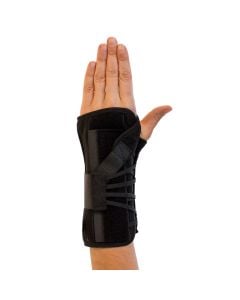
How to Choose the Right Wrist Brace for Your Requirements
Exactly how can one figure out the most suitable wrist brace for their condition? The choice procedure starts with identifying the particular type of wrist pain, whether it is because of injury, joint inflammation, or recurring pressure. Next off, one should think about the level of support required; those with intense injuries may call for an inflexible support, while individuals with mild discomfort may decide for a much more versatile option.
Additionally, size and fit are necessary; an appropriately fitting brace assurances both convenience and effectiveness. Adjustable straps can boost fit, fitting numerous wrist sizes. Product choice likewise plays a function, as breathable textiles can improve comfort during extended use. Lastly, consulting a health care professional can offer customized guidance, guaranteeing the selected support aligns with one's recovery goals. By reviewing these variables, individuals can choose a wrist brace that efficiently addresses their special requirements and promotes recovery.
Tips for Utilizing a Wrist Brace Efficiently
Effective usage of a wrist support joints on numerous crucial variables. Proper sizing assurances optimal support, while sticking to recommended wear duration can enhance discomfort relief without creating additional stress. Furthermore, routine maintenance and treatment of the support are essential for its longevity and efficiency.
Correct Sizing Matters
Appropriate sizing is important for making best use of the benefits of a wrist brace and ensuring pain relief. An incorrectly sized brace can bring about pain, limited motion, or inadequate support, ultimately impeding recuperation. To choose the ideal size, individuals should gauge their wrist area and consult the sizing chart supplied by the manufacturer. It is essential to take into account both the length and size of the support to accomplish a snug yet comfortable fit. In addition, flexible features such as straps can improve modification, enabling individuals to make improvements the fit according to their needs. Ultimately, proper sizing not just enhances the performance of the wrist brace yet additionally enhances user compliance, resulting in much better outcomes in pain administration and rehabilitation.
Use Period Guidelines
Regularly sticking to use duration standards is necessary for optimizing the efficiency of a wrist brace. A lot of experts advise using a wrist brace for at the very least 4 to 6 hours daily, specifically during activities that may worsen discomfort or pressure. Nonetheless, it is important to prevent prolonged usage official site past advised durations, as this can result in muscular tissue stiffness or dependence. Individuals need to take breaks every couple of hours to permit flow and flexibility. Nighttime use can likewise be valuable, especially for those experiencing pain throughout rest. Individuals need to constantly pay attention to their bodies; if discomfort rises, it might suggest the requirement for changes in wear period or fit. Following these guidelines can optimize pain relief and assistance recovery.
Maintenance and Treatment Tips
Dealing with a wrist support plays a significant function in its long life and effectiveness. Routine cleaning is crucial; most braces can be hand-washed with moderate soap and air-dried, avoiding the accumulation of dust and bacteria. Users need to likewise inspect the support occasionally for indications of wear, such as fraying straps or damaged materials, and replace it as needed to guarantee perfect support. Appropriate storage space is vital; keeping the brace in a completely dry, amazing place helps preserve its form and feature. In addition, readjusting the fit according to the producer's guidelines guarantees maximum comfort and stability. By complying with these upkeep pointers, people can improve the efficiency of their wrist brace while advertising wrist wellness and recuperation.
Additional Techniques for Taking Care Of Wrist Pain
In enhancement to utilizing wrist braces, people can discover different methods to manage wrist discomfort properly. Integrating extending workouts can improve adaptability Visit Your URL and minimize tension, while an ergonomic work space arrangement can aid avoid strain during everyday activities. These complementary methods can significantly enhance total wrist wellness and comfort.
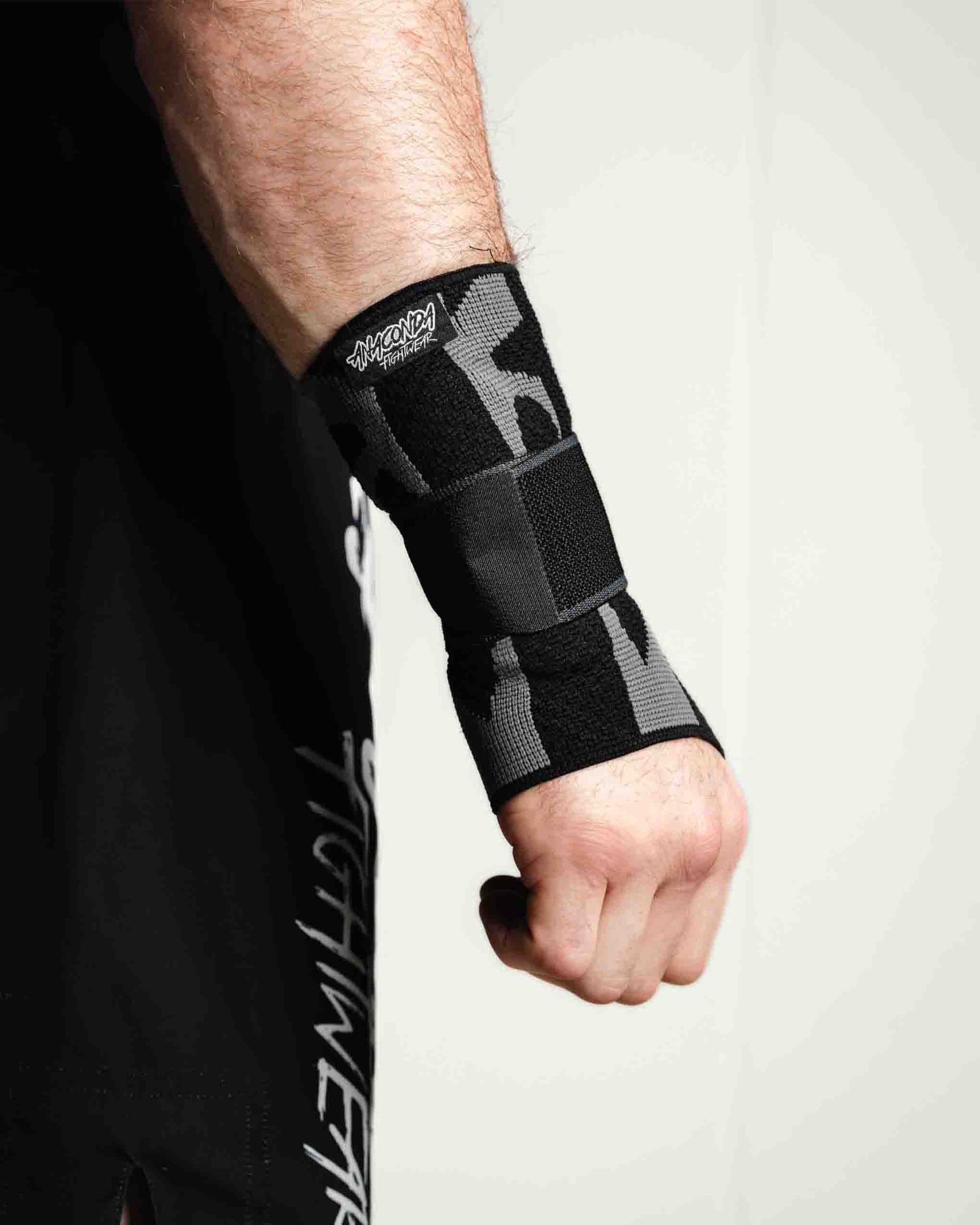
Stretching Exercises Advantages
While wrist braces offer important support for discomfort relief, including extending workouts into a daily regimen can enhance total wrist feature and adaptability. Normal extending assists to alleviate tightness and decreases stress in the muscle mass bordering the wrist. This method can enhance blood flow, advertising healing and decreasing discomfort. In addition, stretching can raise the series of motion, enabling much better mastery and functionality in daily activities. Taking part in targeted workouts can also contribute to enhancing the wrist, which is crucial for injury avoidance. By incorporating stretching into discomfort monitoring approaches, individuals might experience better convenience and higher convenience in their motions, complementing the advantages provided by wrist braces and causing a much more reliable approach to managing wrist pain.
Ergonomic Office Configuration
How can an ergonomic office setup contribute to managing wrist discomfort successfully? An ergonomic workspace is developed to minimize pressure on the body, particularly the wrists, during day-to-day jobs. Correct desk elevation assurances that the lower arms remain alongside the ground, minimizing stress on the wrist joints. Making use of an adjustable chair permits for support and alignment, advertising a neutral wrist position. Crucial element consist of a key-board positioned at elbow height and a computer mouse that helps with an all-natural hand posture. Incorporating wrist relaxes can further minimize strain throughout inputting and navigating. Normal breaks and extending should come with these changes to stop extended tension. Overall, an ergonomic work area can greatly enhance convenience and assistance wrist wellness, leading to reliable pain administration.
Regularly Asked Inquiries
Can Wrist Braces Be Used While Resting?
Wrist braces can undoubtedly be worn while resting. They supply assistance, limit activity, and can alleviate discomfort during the night, making certain better healing and decreasing the risk of exacerbating existing wrist conditions.
How Long Should I Put On a Wrist Brace Daily?
It is normally recommended to use a wrist brace for 3 to 6 hours daily, depending upon the intensity of the problem. Consulting a health care expert can supply tailored guidance for excellent use and period.
Are Wrist Braces Suitable for All Ages?
Wrist braces are typically suitable for individuals of every ages, consisting of kids and grownups. It is important to speak with a health care expert to guarantee an appropriate fit and certain needs are fulfilled for efficient support.
Can I Wash My Wrist Brace?
Yes, wrist braces can generally be cleaned. It is a good idea to comply with the producer's guidelines pertaining to cleaning approaches, as some may need hand washing while others can endure machine washing for appropriate upkeep and hygiene.
Will a Wrist Brace Restrict My Movement?
A wrist support might limit movement to varying degrees, depending on its layout and intended function. While some braces offer considerable assistance, others permit for more flexibility, fitting specific requirements and activity degrees.
Encouraging wrist braces play a vital role in minimizing pain and assisting in recuperation for individuals experiencing from different wrist conditions. When seeking alleviation from wrist pain, people will discover a range of wrist braces created to deal with certain requirements and problems. Wrist splints are one more alternative, developed to incapacitate the wrist while enabling finger movement, making them suitable for problems like carpal tunnel disorder. In enhancement to using wrist braces, individuals can discover various approaches to take care of wrist discomfort efficiently. While wrist braces provide essential assistance for discomfort relief, including extending workouts into an everyday routine browse around these guys can enhance overall wrist feature and adaptability.